
Property development and construction projects require early financial structuring decisions that directly influence feasibility, risk exposure, and execution. Two commonly referenced funding models—construction finance and development finance—serve distinct commercial and operational purposes. While terminology is often used interchangeably, misinterpretation can lead to inefficient structuring, increased costs, and compliance risks. This article clarifies both models to support informed engagement with financial advisers and lenders.
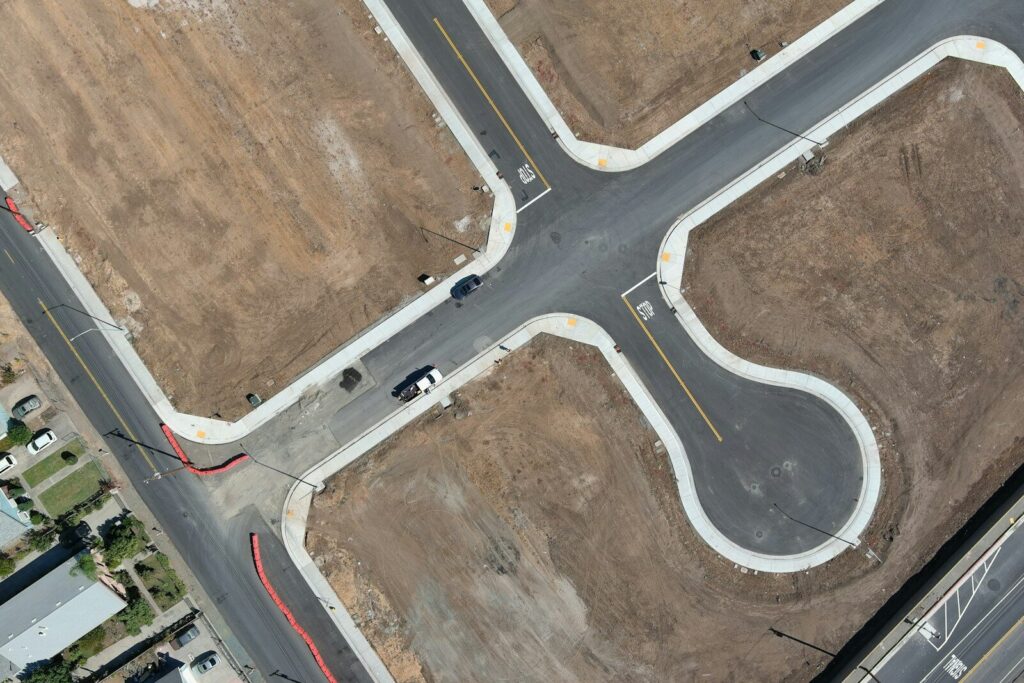
Finance Types
Understanding the structural intent of each funding model is essential for aligning finance with project objectives and regulatory expectations.
Construction Finance
Construction finance is designed to fund the physical build component of a project where land ownership is already secured or contractually defined. Typical applications include residential builds, secondary dwellings, and major renovations.
Funding is released progressively, aligned with certified construction milestones. This staged disbursement mitigates lender risk and enforces cost discipline, while supporting cash flow management during delivery.
Development Finance
Development finance supports broader property ventures that integrate acquisition, construction, and commercial outcomes. This includes subdivisions, multi-dwelling builds, and property conversions intended for sale or income generation.
Facilities typically incorporate land purchase, planning costs, construction funding, and holding expenses. Lender evaluation extends beyond build feasibility to include profitability, market demand, and exit strategy viability.
Key Differences
The distinction between these funding structures becomes evident when assessed across operational, financial, and risk dimensions.
Scope
Construction finance is limited to build execution. Development finance encompasses the full lifecycle, including acquisition and disposal phases.
Risk
Construction finance carries lower perceived risk due to defined end use. Development finance introduces market risk, requiring stronger equity positions and structured contingency planning.
Drawdown
Both models utilise staged funding; however, construction finance strictly follows build milestones, while development finance includes pre-construction and post-construction funding events.
Assessment
Construction finance assessment prioritises serviceability, asset value, and builder credentials. Development finance introduces feasibility modelling, presales requirements, and developer track record evaluation.
Cost
Development finance typically attracts higher interest rates and fees due to complexity and risk exposure. In some cases, profit participation mechanisms may apply.
Terms
Construction loans generally align with build timelines. Development facilities extend to accommodate marketing and asset disposal periods.

Advisory Role
Finance brokers play a critical role in aligning funding structures with lender expectations and market conditions. Their function includes lender selection, structuring guidance, and positioning applications to meet credit assessment criteria.
Importantly, advisory services operate within a defined scope and do not replace financial, legal, or construction expertise. Cross-disciplinary coordination remains essential for compliance and risk mitigation.
Project Planning
Early-stage planning should incorporate financial structuring alongside design and regulatory considerations. Failure to align funding with project scope can result in delays, cost overruns, or refinancing risks.
Key considerations include:
- Loan approval timelines and regulatory requirements
- Full cost modelling, including interest and holding costs
- Equity availability and liquidity buffers
- Defined and realistic exit strategy
- Market variability and contingency planning
Construction and development finance serve distinct strategic purposes within property projects. Accurate alignment between funding structure and project intent reduces financial risk and improves execution outcomes.
Developers and builders should prioritise early financial planning, engage qualified advisers, and ensure all assumptions are validated across commercial, regulatory, and market dimensions.